

Dates have been a staple ingredient in traditional cooking for centuries, featuring prominently in both sweet and savory dishes across numerous cultures. These versatile fruits bring natural sweetness, rich texture, and nutritional benefits to a wide array of culinary creations. For a dates supplier, understanding these traditional applications can provide valuable insights into market opportunities and consumer preferences. From festive holiday treats to everyday nourishment, dates continue to play a vital role in global culinary traditions, offering suppliers numerous pathways to connect with diverse consumer bases.
Middle Eastern Date Specialties
The Middle East, where date palms have flourished for millennia, boasts some of the most sophisticated date-based culinary traditions. One of the most iconic preparations is date syrup, known as dibs, which serves as a natural sweetener in numerous dishes. This thick, rich syrup finds its way into salad dressings, marinades, and dessert sauces, providing a distinct flavor profile that refined sugars cannot match. Another traditional favorite is date-filled cookies and pastries, which appear during religious holidays and special occasions. These treats typically feature a sweet pastry exterior surrounding a rich date paste filling, often flavored with orange blossom water, rose water, or spices like cardamom and cinnamon.

Stuffed Dates as Culinary Delights
Stuffed dates represent another category of traditional preparation that showcases the fruit's versatility. Across the Middle East and North Africa, dates are commonly pitted and filled with various ingredients to create elegant appetizers and desserts. Popular fillings include whole nuts such as almonds, walnuts, or pistachios, which provide a satisfying textural contrast to the soft, sweet fruit. Some stuff dates with marzipan or sweetened cheese for richer dessert options. Savory versions might feature fillings like tangy cheese or spiced meat, demonstrating how dates can bridge the gap between sweet and savory culinary applications.
North African Date Cuisine
In North African countries, dates feature prominently in both everyday cooking and ceremonial dishes. Tagines, the slow-cooked stews that define the region's cuisine, often incorporate dates to provide natural sweetness that balances savory and spicy elements. Chicken or lamb tagine with dates typically includes onions, spices like ginger and saffron, and sometimes almonds, creating a complex flavor profile that represents the essence of North African cooking. Another traditional dish is date bread, which varies from region to region but generally combines dates with wheat or semolina flour to create moist, sweet loaves that serve as breakfast items or snacks.

Date Condiments and Preserves
North African kitchens also excel at creating date-based condiments and preserves that enhance various dishes. Date chutneys and relishes often accompany grilled meats and savory pastries, providing a sweet counterpoint to spicy main courses. These condiments typically combine chopped dates with vinegar, spices, and sometimes other fruits to create complex flavor profiles. Date jam, another traditional preparation, serves as a breakfast spread or filling for pastries, offering a nutrient-rich alternative to other sweet spreads. These products represent potential value-added opportunities for date suppliers looking to expand their product lines.
South Asian Date Delicacies
South Asian cuisine incorporates dates in both traditional medicine and culinary practices. One popular preparation is date chutney, which combines the fruit with tamarind, jaggery, and spices to create a sweet-and-sour condiment that accompanies snacks like samosas and pakoras. Another traditional use involves incorporating dates into sweet rice dishes, where they provide natural sweetness and texture contrast to the creamy rice. During religious festivals, dates often appear in special desserts, either as a primary ingredient or as a garnish, reflecting their cultural significance beyond mere nutrition. Kedai kurma in Malaysia offers dates throughout the year at reasonable prices.
Medicinal Preparations

Within South Asian traditions, dates hold importance in Ayurvedic practices, where they feature in various health-promoting preparations. Date tonics and energy balls combine dates with nuts, seeds, and spices like cardamom and saffron to create nutrient-dense snacks believed to boost vitality. Another traditional preparation involves stuffing dates with herbal mixtures designed to address specific health concerns. These medicinal uses demonstrate the deep cultural appreciation for dates' nutritional properties and represent a growing market segment as consumers increasingly seek functional foods with traditional credentials.
Traditional Beverages Featuring Dates
Across date-growing regions, traditional beverages incorporating this fruit have been enjoyed for generations. Date smoothies and milkshakes combine the fruit with milk or yogurt to create nutritious drinks that serve as quick energy sources, especially during hot weather. More elaborate preparations include date wine and vinegar, which involve fermentation processes that transform the fruit's natural sugars into alcohol or acetic acid. Another traditional beverage is date syrup mixed with water and sometimes rose water, creating a refreshing drink particularly popular during Ramadan for breaking the daily fast.
Date-Based Nutritional Supplements
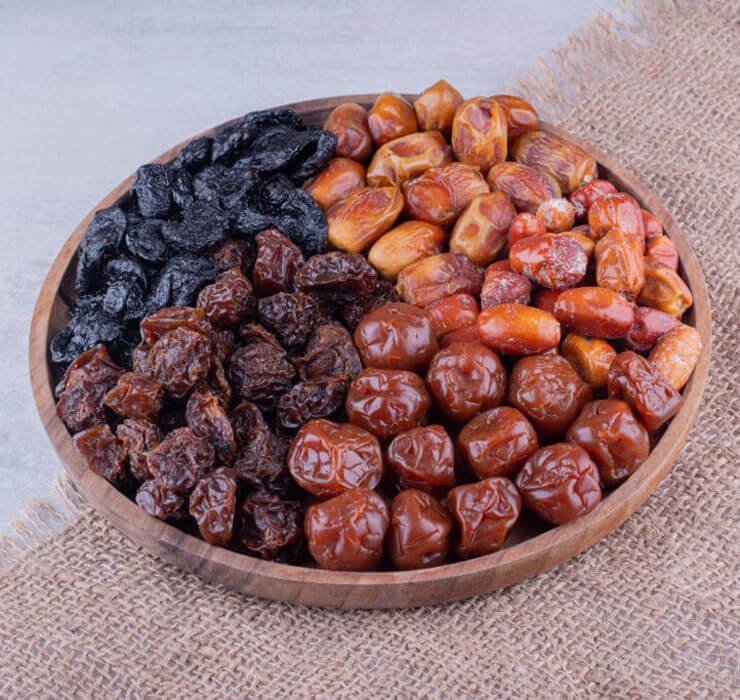
Traditional medicine systems have long utilized dates in various nutritional supplements aimed at boosting energy and improving overall health. Energy bars made from dates, nuts, and seeds represent modern interpretations of these traditional preparations. Another traditional supplement involves date paste combined with specific herbs and spices believed to have medicinal properties. These preparations highlight how dates have historically been valued not just as food but as medicine, providing contemporary suppliers with storytelling opportunities that resonate with health-conscious consumers.
European Date Traditions
Although not native to Europe, dates have been incorporated into various European culinary traditions, particularly in Mediterranean countries. Christmas traditions in several European countries feature dates prominently, often stuffed or dipped in chocolate as holiday treats. In British cuisine, date and walnut cake represents a classic preparation that has been enjoyed for generations, featuring a moist, dense cake packed with chopped dates and nuts. Other European preparations include date puddings, both steamed and baked, that showcase how this fruit has been adapted to fit European taste preferences and culinary techniques.
Date in Contemporary Fusion Cuisine
Modern chefs worldwide are rediscovering dates and incorporating them into fusion dishes that blend traditional preparations with contemporary techniques. Date purees serve as natural sweeteners in salad dressings and sauces, while chopped dates add texture and sweetness to grain salads and stuffings. Some innovative chefs use dates as a base for vegan caramel or as a binding agent in raw desserts, demonstrating how traditional fruits can find new applications in modern dietary trends. These contemporary uses represent exciting opportunities for date suppliers to connect with restaurant clients and food manufacturers developing new products.
Preservation and Preparation Techniques
Traditional methods of preserving and preparing dates vary across cultures but share common principles that maintain the fruit's quality and extend its shelf life. Sun-drying remains a widespread technique that concentrates the fruit's natural sugars while preserving its nutritional content. Another traditional method involves processing dates into paste or blocks that can be stored for extended periods and reconstituted when needed. These preservation techniques not only demonstrate historical ingenuity but also provide inspiration for modern product development that honors traditional practices while meeting contemporary quality standards.
Cultural Significance and Ceremonial Uses
Beyond their culinary applications, dates hold deep cultural and ceremonial significance in many traditions. During religious holidays and celebrations, dates often appear on festive tables as symbols of hospitality, generosity, and sweetness. Wedding traditions in some cultures include dates as part of the ceremony or as gifts to guests, representing wishes for a sweet life together. These ceremonial uses create seasonal demand patterns that suppliers can anticipate and serve through appropriate product offerings and marketing approaches that respect cultural traditions while meeting commercial objectives.
Modern Interpretations of Traditional Dishes
Contemporary chefs and home cooks continue to reinvent traditional date dishes, creating new versions that appeal to modern palates while honoring culinary heritage. Health-conscious adaptations might reduce added sugars by relying more heavily on dates' natural sweetness, or incorporate dates into gluten-free and vegan baked goods. Restaurant chefs often feature updated versions of traditional date dishes as signature menu items, introducing customers to global flavors through familiar formats. These modern interpretations represent growing market opportunities for date suppliers who can provide consistent, high-quality products that meet the specifications of food service professionals and product developers.
Conclusion:
The enduring popularity of traditional date dishes across cultures demonstrates this fruit's remarkable versatility and universal appeal. For suppliers, understanding these diverse culinary applications provides valuable insights into consumer preferences and market opportunities. From classic Middle Eastern pastries to innovative fusion creations, dates continue to inspire chefs and home cooks worldwide, ensuring this ancient fruit remains relevant in modern kitchens. By appreciating and supporting these traditional uses while embracing contemporary applications, date suppliers can build sustainable businesses that honor cultural heritage while meeting evolving market demands.